When details of Anthropic's Claude AI design studio leaked last week, Adobe, Figma, and Wix shares each dropped more than 2%. A leaked feature from an AI company that hasn't even officially launched yet, and three established design platforms lost billions in combined market cap.
That's a pretty strong signal from the market, even before anyone outside Anthropic has actually used the thing.
Claude Opus 4.7 is rumoured to be dropping soon, and alongside the model upgrade, leaks suggest Anthropic is building an AI design tool that lets you describe what you want in plain English and it builds websites and presentations from that description. You talk to it. It designs. If you run an agency, that should get your attention for a very specific reason.
The time your team loses before anything useful happens
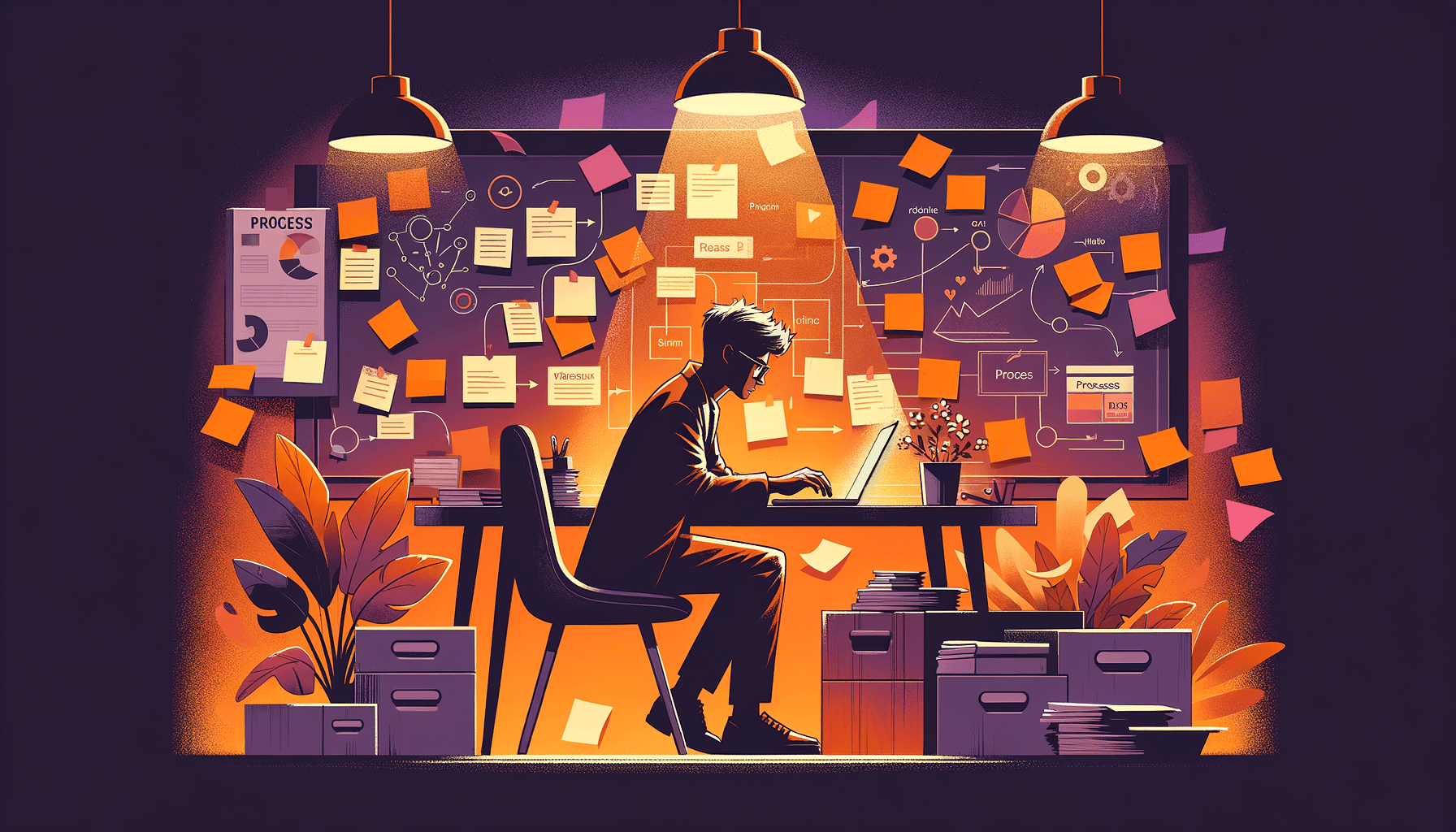
Think about how a landing page gets made at your agency right now. Someone writes a brief. A designer opens a blank Figma file or a blank page in their tool of choice. They spend somewhere between two and four hours building a first draft. That draft goes to the client or the creative director for feedback. Changes come back. The designer revises. More feedback. More revisions.
The actual creative thinking, the layout decisions, the brand interpretation, that all happens in the revision stage. The first draft is really just getting something on screen so the conversation can start. And that first draft is eating half a day per page for most agencies I work with.
Multiply that across every landing page, every pitch deck, every presentation your team builds in a month. That's a lot of half-days spent creating something that exists purely to be changed.
What changes when AI design tools replace the starting point
If the leaks are accurate, Claude's design studio takes that first draft from half a day to roughly five minutes. You describe what you're after in plain English, and it builds a working version.
Now I want to be careful about what I'm saying here, because the instinct is to hear "AI design tool" and immediately jump to the conclusion that this replaces designers. It doesn't. The tool replaces the blank page in front of them. Your team starts with something real, something they can react to and refine, instead of staring at nothing.
The designer's job shifts from "create something from scratch" to "shape something that already exists." Which, if that makes any sense, is actually where most designers do their best work anyway. They're better at refining and directing than they are at generating the first pass of something that's going to get changed regardless.
Other AI design tools should be paying attention too
When the news broke, it wasn't just the big three that felt the pressure. Tools like Gamma and Google Stitch, which are specifically built around AI-generated presentations and documents, are under direct threat here. Claude's version is baked into a platform that people already use for a dozen other things during their working day.
And that's the bigger pattern worth paying attention to. Anthropic has partnered with Figma to turn code into usable designs on the platform. Claude is now being tested in Microsoft Word, on top of the Excel and PowerPoint integrations that landed a couple of weeks ago. All available to Teams and Enterprise users, with shared context across applications so you don't start from scratch every time you open a different tool.
The AI company that ends up winning long-term is the one that weaves into everything you already use. Your project management, your design tools, your document workflows, your client communication. Claude is doing exactly that, and the design studio is the latest piece of it.
Opus 4.7 would make this more practical than it sounds
The model upgrade rumoured to be shipping alongside the design tool matters here too. Opus 4.7 is expected to focus on multi-step reasoning and handling longer tasks. So if you're thinking about using this for something more complex than a single landing page, say a full presentation with 20 slides or a multi-page site, the underlying model is built to handle that kind of extended workflow without losing the thread halfway through.
For agencies coordinating multiple AI tools or running content through several stages, that improvement in reasoning depth makes a noticeable difference to the quality of what comes out.
What to do when this drops
When the design tool launches, throw a real brief at it. Not a test brief. A real client brief that your team would normally spend half a day on. Compare what comes back against what your team normally produces at that stage.
If the output gets you 70% of the way there in five minutes, you've just changed the economics of every design workflow in your agency. Your team starts further along, clients get to see something tangible faster, and the revision stage becomes the whole process instead of just the back end of it.
If it only gets you 40% of the way there, that's still 40% your designer didn't have to build from nothing. Either way, the blank page problem got smaller this week.
The agencies that test this on real briefs and build it into how they work are going to have a head start by the time everyone else gets around to trying it. Which is usually how these things go.
If your team is stuck in that cycle of spending hours on first drafts that exist purely to be changed, this might be the week that shifts. See how we help agencies embed AI into their actual workflows.