Anthropic, the company behind Claude, filed a lawsuit last week against the US Department of Defence. The Pentagon had designated Claude as part of its "critical AI supply chain" under a national security directive, which would have given the military access to Claude's systems without Anthropic's consent. Anthropic said no and took it to court.
This is not a small thing. A private AI company told the most powerful military on earth that it could not use their product for purposes they had not agreed to. Microsoft and Google employees publicly backed Anthropic's position. The case is now in federal court.
Why this matters beyond the headline
If you are running a business and using AI tools, you probably have not thought about what happens when your AI provider becomes a political target. But you should, because the tools you rely on are not neutral infrastructure. They are products made by companies that operate in a political environment, and the decisions those companies make about who gets access, and under what terms, directly affect the tool you use every day.
Anthropic drawing a line here tells you something about what kind of company they are. They built Claude with specific usage policies, and they are willing to go to court to enforce them. You can agree or disagree with the specifics, but the principle matters. The company behind your AI tool has values, and those values will eventually be tested by someone with more power than you.
Platform dependency is a real risk
Here is the practical angle. If you have built your entire workflow around a single AI platform, and that platform gets pulled into a government dispute, a regulatory action, or a political controversy, your business is exposed to disruption you had nothing to do with.
This is not theoretical. The EU AI Act enforcement started ramping up this month. The US has multiple state-level AI bills moving through legislatures. The UK's AI Safety Institute is publishing new guidance regularly. The regulatory landscape around AI tools is moving fast, and every one of those moves could affect which tools are available, how they work, and what data they can process.
If your team relies entirely on Claude and Anthropic gets tied up in a legal battle that limits the service, you need a backup. If your team relies entirely on ChatGPT and OpenAI faces regulatory pressure in the EU, same thing. This is basic operational resilience. The same reason you would not build your entire communications on a single platform with no fallback.
What to do about it
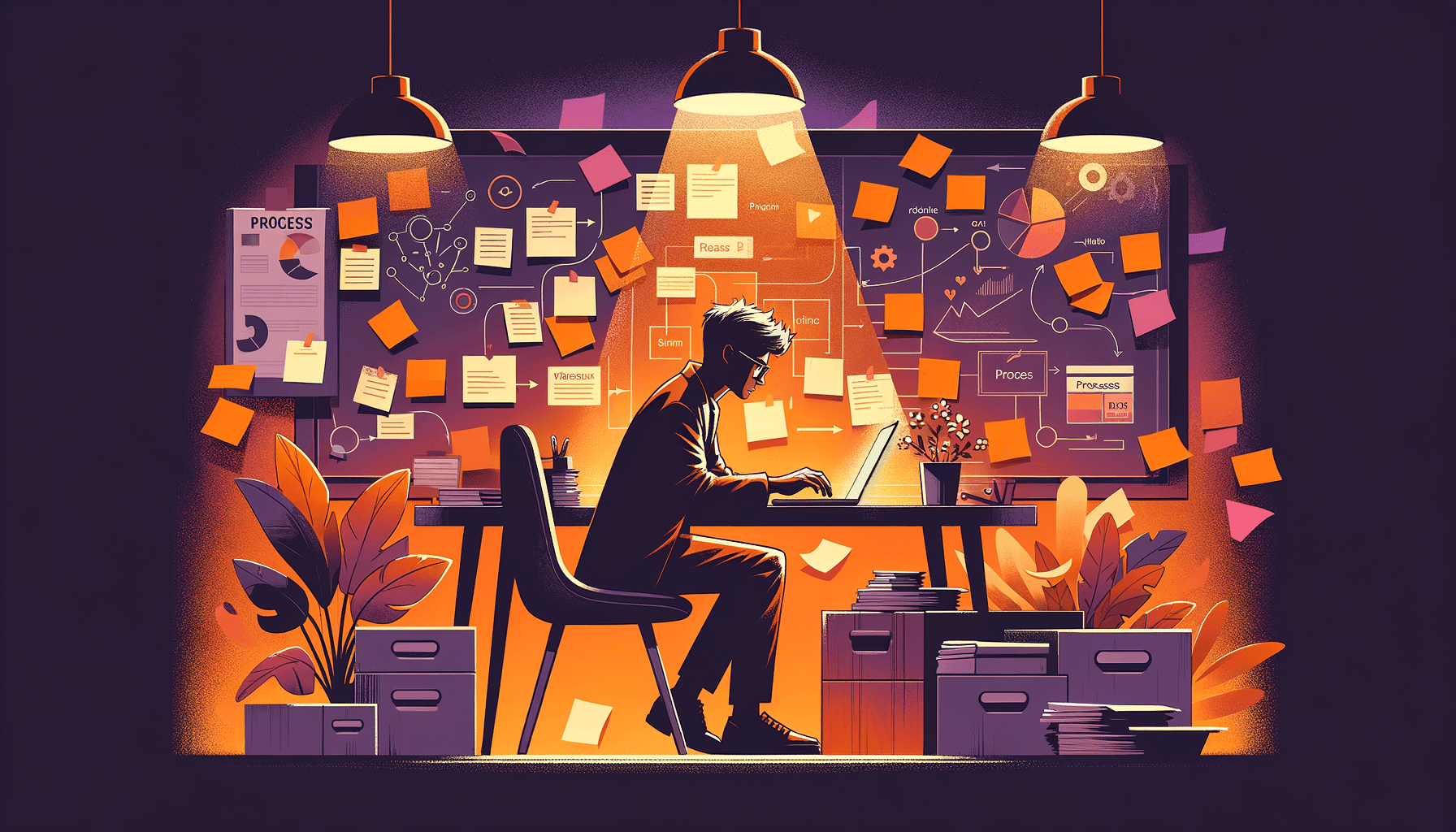
I am not saying stop using Claude or stop using ChatGPT. I use both. The point is to build your workflows so they are not completely dependent on any single provider. When I set up AI workflows inside client businesses, we design them around what the AI does in the workflow, the capability, not the specific product. If Claude went offline tomorrow, the workflow should still function with a different tool plugged in. The process documentation describes the steps and the logic, not just "open Claude and type this prompt."
The Anthropic lawsuit is a reminder that the AI industry is entering a phase where governments, regulators, and large institutions are going to push hard on these companies. The ones that push back will earn respect from some and hostility from others. Either way, the tools might change as a result. Your business needs to be ready for that.
I help teams build AI workflows that are resilient to exactly this kind of disruption. If you want your processes to survive whatever happens in the AI industry this year, here is how the fractional AI engagement works.